How do automobile shock absorbers maintain vehicle stability and reduce body roll during high-speed driving?
Publish Time: 2026-07-09
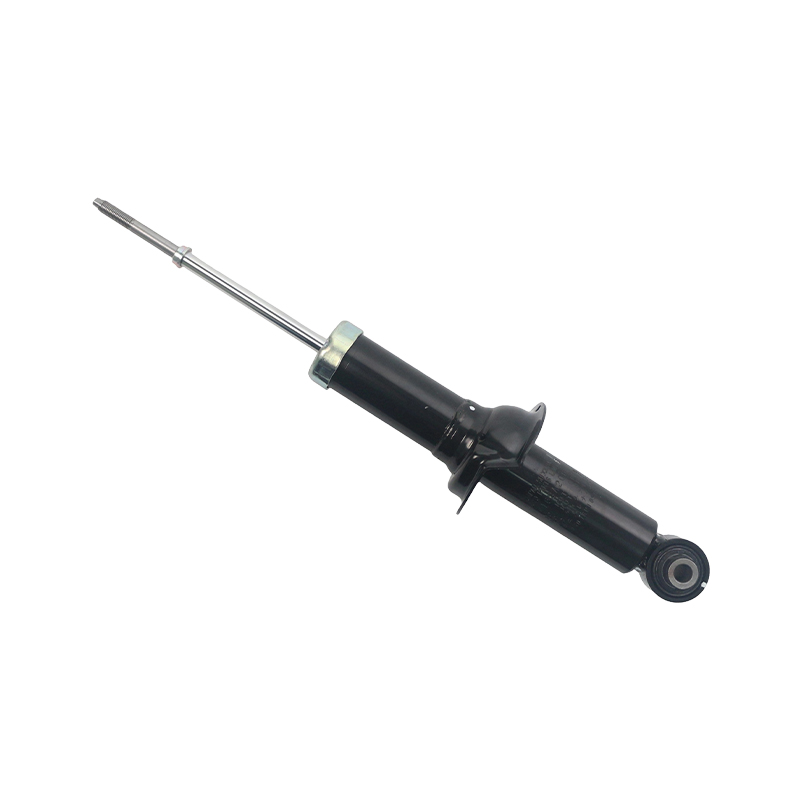
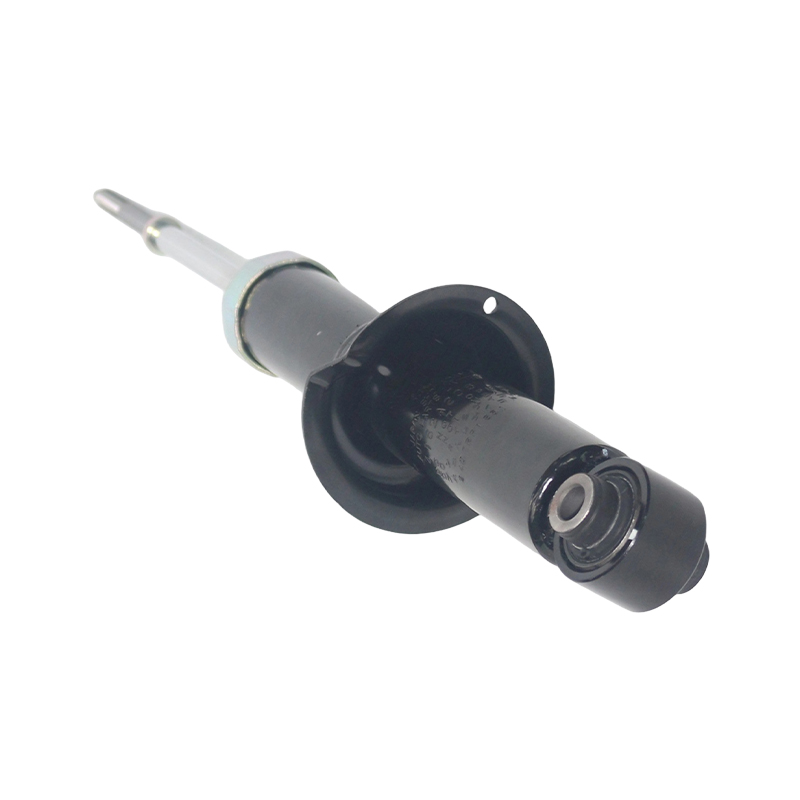
As automotive performance continues to improve, highways, urban expressways, and long-distance driving scenarios place higher demands on vehicle handling stability and ride comfort. During high-speed driving, vehicles not only face complex conditions such as road undulations, cornering, and lane changes, but also need to effectively suppress body sway and body roll to ensure tires maintain good grip. As a crucial component of the suspension system, the automobile shock absorber improves vehicle stability and handling performance at high speeds by precisely controlling suspension movement speed, absorbing road impact energy, and coordinating changes in vehicle posture, providing drivers with a safer and smoother driving experience.1. Precise Damping Control Enhances Vehicle StabilityThe core function of the automobile shock absorber is to effectively control the compression and rebound of the suspension springs through hydraulic or pneumatic damping systems. When a vehicle is traveling at high speed and encounters road seams, potholes, or slight undulations, the springs quickly compress and rebound. The shock absorber provides appropriate damping force based on the suspension movement speed, promptly absorbing excess vibration energy and preventing continuous up-and-down bouncing of the vehicle body. Stable damping output not only reduces body sway but also maintains a stable posture during straight-line driving, improving comfort and safety during high-speed cruising. Simultaneously, precise damping control reduces pitch caused by inertia, resulting in smoother braking and acceleration.2. Reduced Body Roll and Improved Cornering HandlingWhen a vehicle corners at high speed or changes lanes suddenly, centrifugal force causes the body to tilt outwards. Excessive body roll not only affects driving comfort but also reduces tire-road contact stability. Automobile shock absorbers respond quickly to changes in suspension compression and extension, providing different damping support to the left and right wheels, effectively suppressing lateral body sway and reducing body roll. The shock absorber works in conjunction with springs, anti-roll bars, and suspension links to distribute load more evenly across the four wheels, improving tire grip and vehicle tracking. Especially in high-speed cornering, continuous lane changes, or emergency maneuvers, good damping performance helps the driver control the vehicle more precisely, improving overall handling stability and enhancing driving safety.3. Optimized Structural Design Enhances High-Speed ReliabilityTo meet the demands of high-speed driving, Hyundai's automobile shock absorbers continuously optimize their internal structure and manufacturing processes. Utilizing high-precision pistons, high-pressure oil seals, high-quality hydraulic oil, and high-strength cylinder materials, they not only maintain stable damping output but also effectively reduce internal friction and temperature rise, minimizing performance degradation caused by prolonged continuous operation. Simultaneously, advanced air-filled damping technology and variable damping technology automatically adjust damping characteristics based on vehicle speed, road conditions, and driving status, ensuring the vehicle always maintains optimal suspension performance. Furthermore, the shock absorbers undergo rigorous durability and fatigue testing, enabling them to withstand complex environments such as high and low temperatures, rain, and snow, maintaining stable and reliable vibration damping performance over the long term.