During driving, cornering is a dynamic condition that places extremely high demands on the suspension system and vehicle body stability. When a vehicle corners at high speed or makes an emergency change of direction, the body will roll due to centrifugal force, affecting not only ride comfort but also tire grip and handling stability. As a key component of the suspension system, the automobile shock absorber plays a crucial role in reducing body roll, improving vehicle stability, and enhancing driving confidence through proper damping control and structural optimization.1. Suppressing Body Roll Through Damping Force AdjustmentThe core function of a shock absorber is to control the compression and rebound of the suspension system through damping force. During vehicle cornering, the outer suspension is subjected to greater pressure and compresses, while the inner suspension stretches. High-performance shock absorbers can provide appropriate damping resistance during this process, limiting excessive suspension compression, thereby reducing the speed and magnitude of the body roll to the outside, allowing the vehicle to maintain a more stable posture.
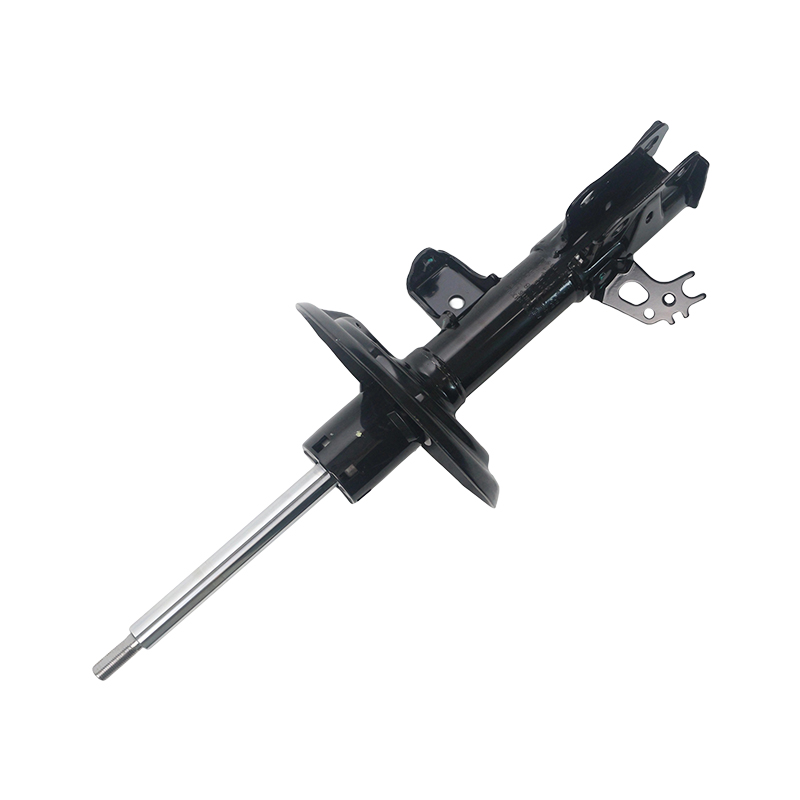
2. Optimized Compression and Rebound Characteristics Enhance StabilityHigh-quality automobile shock absorbers typically feature segmented damping control, providing different damping characteristics during compression and rebound. In the initial stage of steering, higher compression damping suppresses rapid body roll; in the recovery phase, reasonable rebound control prevents secondary body sway. This refined adjustment effectively stabilizes the vehicle's dynamic performance and improves overall balance during steering.3. Enhanced Tire Grip Improves Handling ConfidenceWhen vehicle body roll is excessive, the load on the outer tires increases, while the grip of the inner tires decreases, easily leading to unstable handling or even understeer or oversteer. Shock absorbers control the vehicle's posture, ensuring all four wheels maintain good contact with the ground as much as possible, thus balancing tire force and improving overall grip. Good grip directly enhances the driver's confidence during steering.4. Collaborative Suppression of Body Roll in Response to the Suspension SystemShock absorbers do not act independently but work in conjunction with springs, stabilizer bars, and other suspension components. During cornering, the shock absorber, by limiting the rapid compression and release of the spring, works synergistically with the stabilizer bar to effectively suppress lateral body roll. This systematic control significantly reduces roll angle, allowing the vehicle to maintain a more stable trajectory in corners.
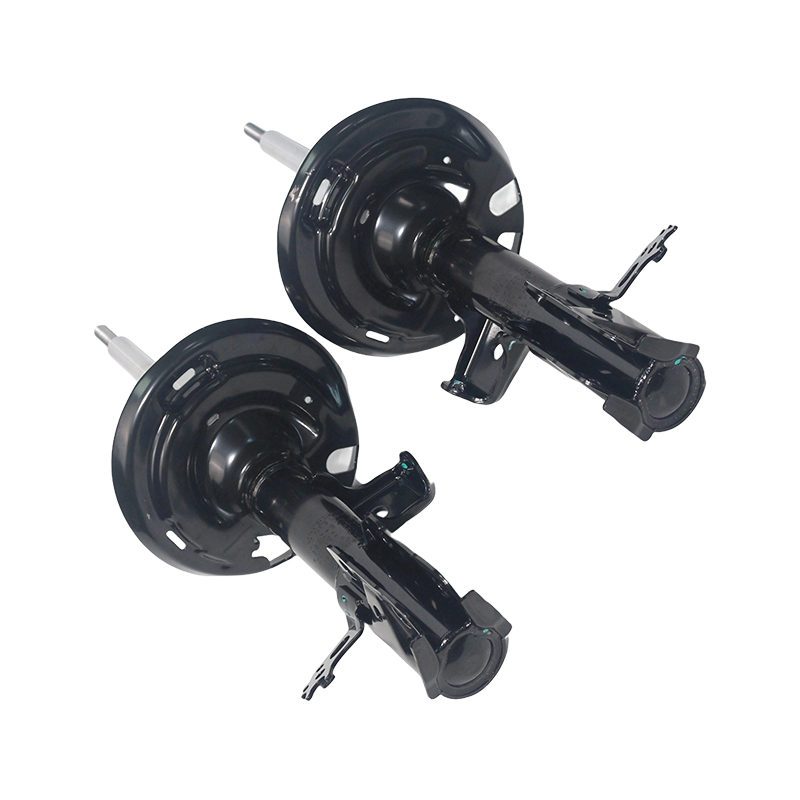
5. Improved High-Speed Steering Response PrecisionWhen steering at high speeds, the vehicle demands a higher level of suspension response. High-performance shock absorbers, through optimized internal fluid flow structure and valve system design, achieve a faster and more linear damping response. When the driver makes a steering maneuver, the shock absorber reacts promptly, quickly suppressing changes in body posture and improving the vehicle's responsiveness to steering input.6. Enhanced Driving Experience and Psychological StabilityExcessive body roll can cause driver anxiety and impair handling judgment. By reducing roll, the shock absorber helps the vehicle maintain a more stable posture in corners, enhancing stability both visually and tactilely. This stable experience not only improves driving comfort but also boosts driver confidence in complex road conditions, making driving more composed.7. Adaptable to Various Road Conditions, Enhancing Overall PerformanceModern automobile shock absorbers are typically designed to meet the needs of urban roads, highway driving, and complex road conditions. Under different operating conditions, the shock absorber can automatically or passively adjust its damping performance, ensuring good vehicle stability during cornering. This adaptability allows the vehicle to maintain reliable performance in both daily driving and aggressive handling.Through precise damping control, optimized compression and rebound characteristics, and synergy with the suspension system, automobile shock absorbers effectively reduce body roll during cornering, improving tire grip and vehicle stability. Simultaneously, they improve vehicle dynamic response and driving experience, making handling more precise and reliable. It is these comprehensive performance characteristics that make shock absorbers a crucial core component for enhancing vehicle handling confidence and driving safety.