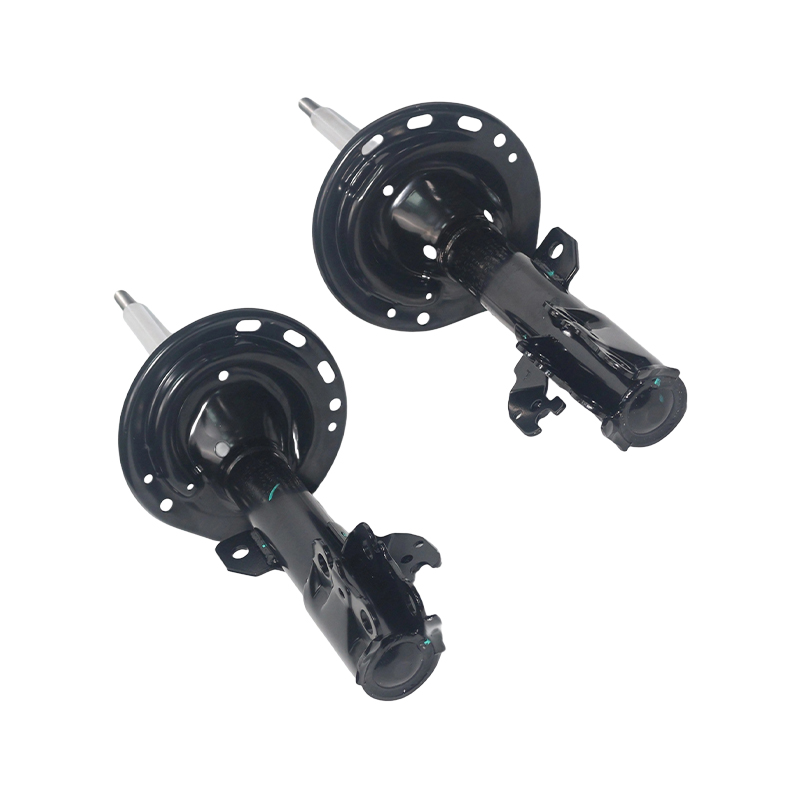
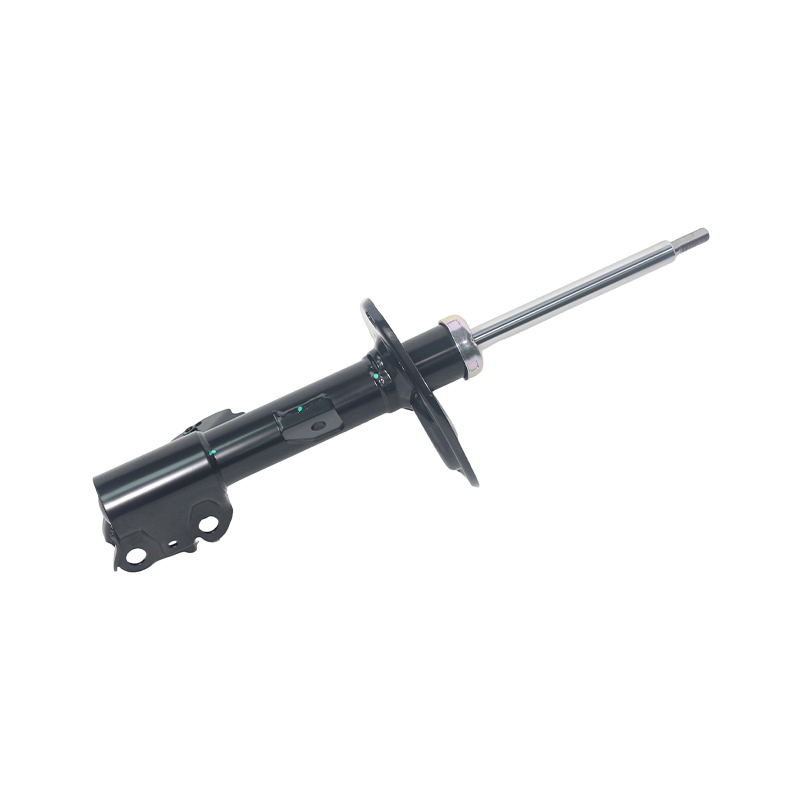
In the automotive chassis system, shock absorbers, as critical suspension actuators, are subjected to high-frequency vibrations, impact loads, and complex environments over long periods. Their surface protection performance directly affects the safety and lifespan of the entire vehicle. Especially in coastal areas with high salt spray, frequent acid rain, and high humidity, metal components are highly susceptible to corrosion failure. Automobile shock absorbers commonly employ deep electrophoresis treatment to enhance surface protection. However, in complex climatic environments, relying solely on a basic electrophoretic coating may still pose a long-term corrosion risk. Therefore, multi-dimensional technical optimization is needed to further improve its corrosion resistance.
1. Optimizing Electrophoretic Coating Uniformity to Enhance Basic Protection
The core advantage of deep electrophoresis treatment lies in its ability to form a uniform and dense coating on the metal surface, thereby isolating it from external moisture and corrosive media. To further enhance the protective effect in complex climates, it is crucial to optimize the coating uniformity and coverage integrity. 1. By improving the control of electrophoresis parameters, the coating can achieve full coverage of easily corroded areas such as the piston rod, welding areas, and edges, effectively reducing the generation of micro-defects and improving the overall anti-corrosion performance from the source.
2. Multi-layer composite coating structure enhances environmental resistance.
Introducing a multi-layer composite coating structure on the basis of deep electrophoresis is an important means to improve corrosion resistance. For example, adding a weather-resistant topcoat or nano-protective coating on the outside of the electrophoretic layer can form a dual protection system of "barrier + reinforcement". This structure not only improves the resistance to acid rain and salt spray, but also enhances the surface oxidation resistance, allowing the shock absorber to remain stable in long-term outdoor environments.
3. Material surface modification improves bonding strength.
Key components such as the shock absorber piston rod are usually subjected to high-frequency reciprocating motion. If the coating adhesion is insufficient, it is prone to peeling during long-term use, leading to accelerated local corrosion. Therefore, by roughening the surface of the substrate or chemically activating it, the bonding strength between the electrophoretic coating and the metal substrate can be significantly improved. This enhanced interfacial bonding helps maintain the integrity of the coating under complex climatic conditions.
4. Structural Sealing Design Reduces Corrosive Media Intrusion
Besides surface protection, structural design also significantly impacts corrosion resistance. Optimizing the shock absorber's sealing structure reduces the likelihood of corrosive media such as moisture, sediment, and salt spray entering the interior, further extending its overall service life. For example, using multi-layer oil seals or dust cover designs at critical sealing locations helps reduce the risk of internal corrosion, making the protection more comprehensive.
5. Environmental Adaptability Testing and Process Optimization
To ensure the long-term stability of shock absorbers under complex climates, it is necessary to verify the electrophoretic and composite coating systems through salt spray tests, damp heat cycling tests, and acid rain simulation tests. By continuously optimizing process parameters to maintain consistent coating performance under different environmental conditions, product reliability and adaptability can be further improved.
6. Long-Term Durability and Vehicle Matching Optimization
In vehicle applications, shock absorbers are not only independent components but also need to work in conjunction with the overall suspension system.
After undergoing deep electrophoretic treatment, automobile shock absorbers can significantly improve their corrosion resistance under complex climatic conditions through various measures, such as optimizing coating uniformity, constructing a multi-layer composite protection system, strengthening material bonding strength, optimizing structural sealing design, and conducting environmental adaptability verification, thereby ensuring the long-term safe and reliable operation of vehicles.