How do automobile shock absorbers achieve real-time damping adjustment and road condition adaptation?
Publish Time: 2026-04-27
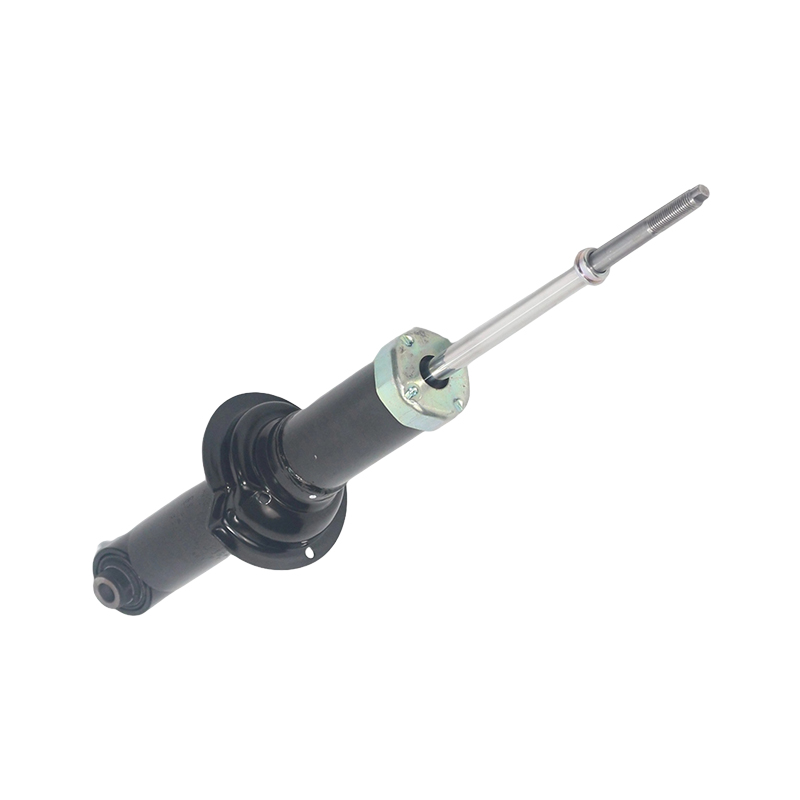
In modern automotive suspension systems, the core function of the automobile shock absorber is to suppress vehicle vibration, improve driving stability, and enhance ride comfort. With the development of intelligent chassis technology, traditional fixed-damping automobile shock absorbers are gradually failing to meet the performance demands of varying road conditions. Therefore, electronically controlled automobile shock absorbers with real-time damping adjustment capabilities have become the mainstream development direction. Through the coordinated action of sensors, control units, and actuators, the automobile shock absorber can dynamically adjust the damping force according to changes in road conditions, achieving more precise road surface adaptation.1. Road Condition Perception and Data Acquisition FoundationThe prerequisite for real-time damping adjustment is accurate perception of road conditions. Vehicles are typically equipped with acceleration sensors, wheel displacement sensors, and vehicle attitude sensors to collect real-time data on road impacts, vehicle vibrations, and driving status. This information is rapidly transmitted to the electronic control unit, providing a basis for subsequent damping adjustments, enabling the system to determine whether the current road surface is smooth, the vehicle is traveling at high speed, or the road is bumpy.2. Intelligent Decision-Making by the Electronic Control Unit (ECU)After acquiring data, the ECU analyzes road conditions using a preset algorithm and calculates the most suitable damping requirements. For example, it reduces damping on bumpy roads to improve comfort and increases damping during high-speed cornering to enhance stability. This real-time calculation capability allows the automobile shock absorber to complete state judgment and adjustment within milliseconds.3. Rapid Response via Electromagnetic or Electronically Controlled ValvesThe automobile shock absorber is typically equipped with solenoid valves or variable throttle valves, which adjust the damping force by changing the oil flow path. When a control signal is transmitted to the actuator, the valve body quickly adjusts its opening, thereby changing the oil flow rate and pressure distribution to achieve instantaneous changes in damping force. This structure offers fast response and can meet the dynamic adjustment needs under complex road conditions.4. High-Strength Piston Rod Enhances Structural ReliabilityUnder frequent adjustments and high-load conditions, the automobile shock absorber piston rod is subjected to continuous impacts and reciprocating motion. Therefore, the high-strength piston rod design effectively improves overall durability and bending resistance, ensuring stable motion accuracy even during long-term use. Simultaneously, excellent surface treatment reduces friction loss and extends service life.5. High-Quality Oil Seals Ensure Sealing and StabilityThe automobile shock absorber relies on hydraulic oil for damping adjustment, making sealing performance crucial. High-performance oil seals effectively prevent hydraulic oil leakage while blocking external dust and moisture, ensuring a clean and stable internal working environment. This not only improves system reliability but also ensures more precise damping adjustment.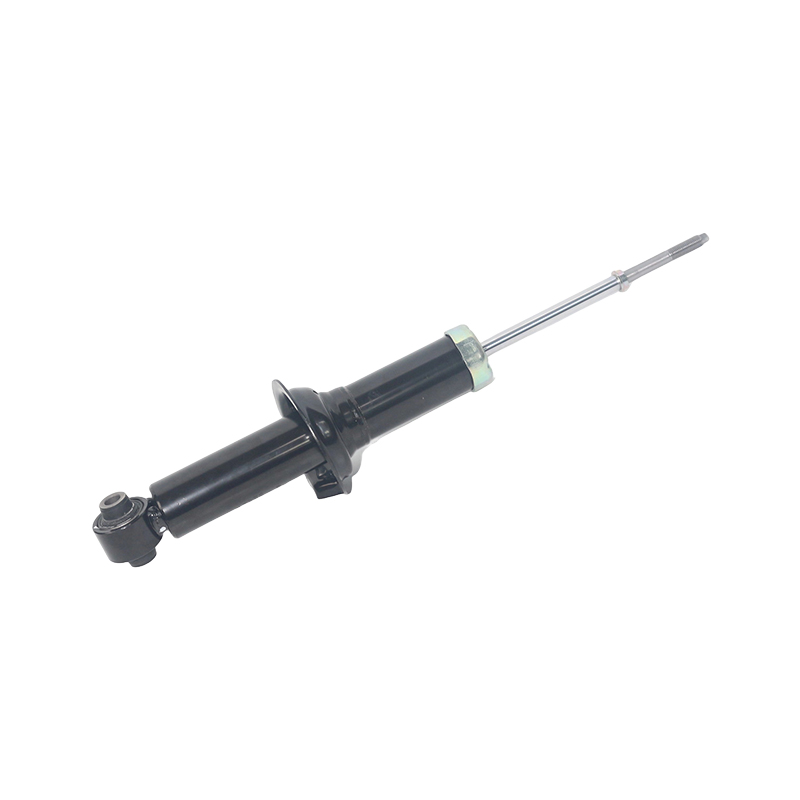
6. Deep Electrophoretic Treatment Enhances DurabilityDeep electrophoretic treatment on the automobile shock absorber's outer shell creates a uniform and dense protective coating, providing excellent corrosion resistance. This coating effectively resists acid rain, salt spray, and oxidizing environments, maintaining a smooth appearance and structural stability. This treatment significantly improves the overall durability of the automobile shock absorber during long-term outdoor use.In summary, the automobile shock absorber achieves real-time damping adjustment and road condition adaptation through the synergistic effect of sensor perception, electronic control, rapid actuators, and high-strength structural design. Furthermore, the combination of high-strength piston rods, high-quality oil seals, and deep electrophoretic treatment processes comprehensively enhances its performance, durability, and reliability, thereby meeting the dual demands of modern vehicles for comfort and handling.