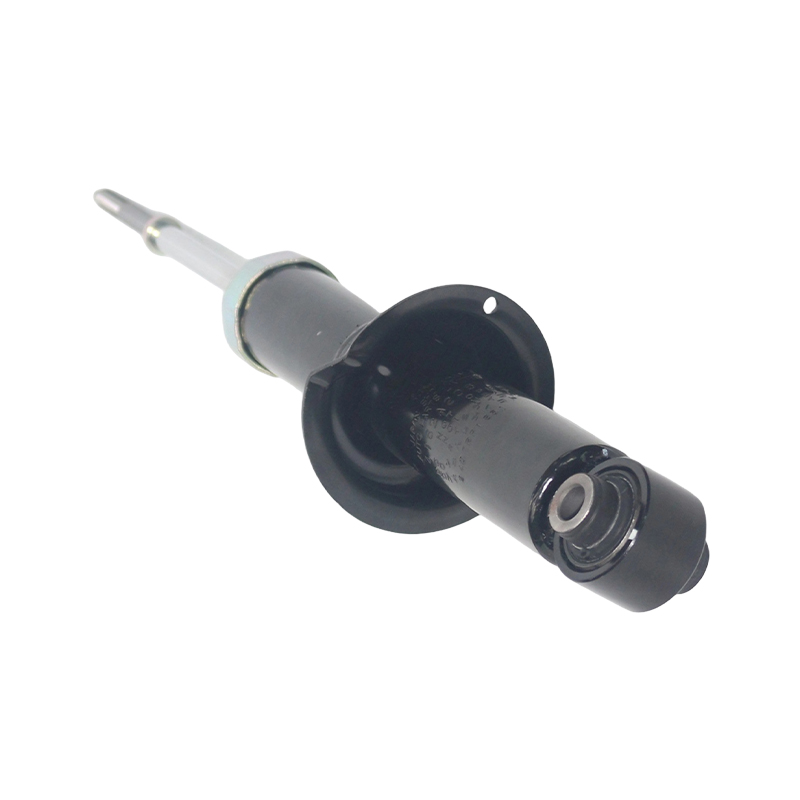
How do automobile shock absorbers improve vehicle grip and safety during emergency braking or cornering?
Publish Time: 2026-04-13
Under extreme conditions such as emergency braking or high-speed cornering, vehicle stability and safety largely depend on the contact between the tires and the ground. As a crucial component of the suspension system, automobile shock absorbers significantly improve grip and handling performance by adjusting the dynamic response between the wheels and the vehicle body. Especially in modern high-performance vehicles, the application of various "suspension high-performance" technologies makes the role of shock absorbers in safety control even more prominent.1. Suppressing Vehicle Body Posture Changes and Stabilizing Tire ContactDuring emergency braking, the front of the vehicle exhibits noticeable "nose-diving," while during rapid cornering, body roll is prone to occur. High-performance shock absorbers, through optimized damping characteristics, effectively suppress vehicle pitch and yaw, ensuring that all four wheels maintain stable contact pressure. In particular, the coordinated design of the front and rear suspensions balances the force distribution between the front and rear axles, preventing excessive load transfer from causing a decrease in grip on one side of the tires, thereby improving overall safety.2. The Core Role of Hydraulic Damping TechnologyHydraulic shock absorbers are currently the most widely used type. They generate damping force through the flow of hydraulic fluid, controlling the suspension's movement speed during compression and rebound. During emergency braking, the hydraulic system can quickly provide significant damping force, reducing the vehicle's forward tilt and preventing excessive front wheel compression. During steering, it responds to lateral forces to suppress excessive body roll, thus maintaining stable tire contact area and enhancing grip.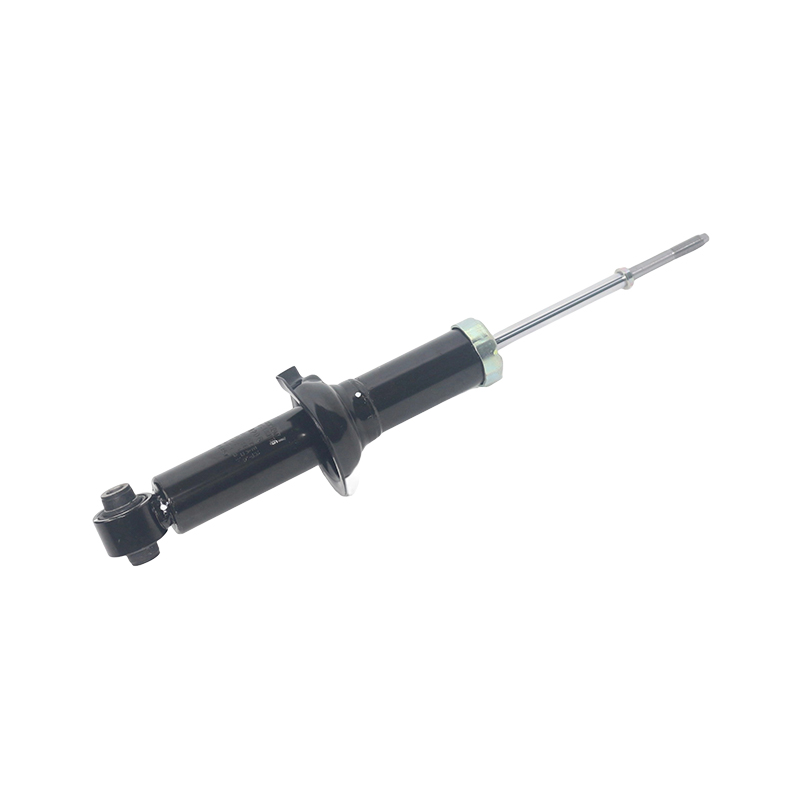
3. The Adaptability Advantages of Adjustable Pneumatic Air SuspensionWith technological advancements, adjustable pneumatic air suspension systems are increasingly being applied to high-end vehicles. These systems can adjust damping and height in real time according to vehicle conditions, automatically switching to a higher stiffness mode in emergency situations. For example, increasing suspension support during high-speed cornering and reducing body posture changes during braking. Through this intelligent adjustment, the vehicle can maintain optimal grip under various conditions, significantly improving handling stability.4. Front and Rear Suspension and Structural Optimization DesignIn terms of structural design, the "front small" compact front suspension helps reduce unsprung mass, making the wheels more responsive to changes in road conditions; while the "rear universal" universal rear suspension emphasizes stability and load-bearing capacity. Together, they achieve a more balanced dynamic performance under complex operating conditions. Furthermore, by optimizing the suspension geometry and shock absorber mounting angles, tire grip can be further improved, allowing the vehicle to maintain good tracking performance even under extreme maneuvers.5. Development of Electronic Control and Customization TechnologiesModern shock absorbers are increasingly moving towards "electric" control, using sensors to collect vehicle speed, steering angle, and braking status in real time and quickly adjust damping parameters to achieve millisecond-level response. This intelligent control system can intervene early in emergency situations, optimizing suspension conditions and reducing instability factors. Simultaneously, "custom" customized shock absorber solutions are becoming increasingly common for different vehicle models and usage needs, enabling vehicles to achieve superior grip and safety performance under specific conditions.