How Does Automobile Shock Absorber Usher in a New Era of Adaptive Damping?
Publish Time: 2026-01-21
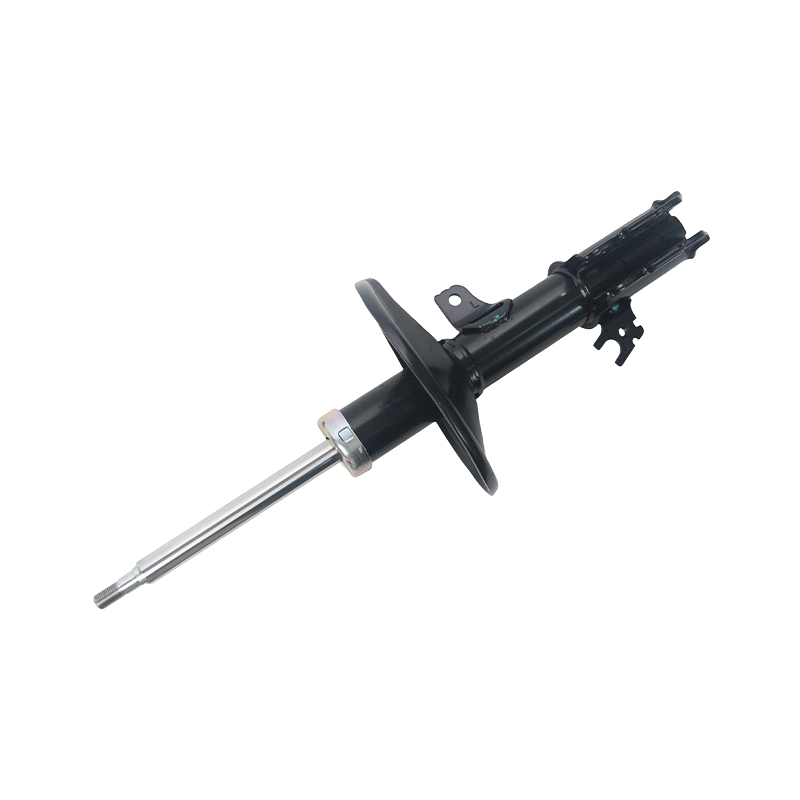
With the rapid growth of intelligent driving and personalized travel demands, traditional passive damping systems are no longer sufficient to meet users' comprehensive expectations for handling, comfort, and safety. Automobile shock absorbers are undergoing a profound transformation—evolving from fixed damping to adaptive damping, ushering in a new era of intelligent suspension centered on "perception-decision-execution." This transformation not only integrates diverse technological approaches such as hydraulic, adjustable pneumatic, and electric systems, but also achieves real-time response to road conditions, driving modes, and even occupant preferences through a highly integrated suspension high-performance system, redefining the driving experience.1. From Passive to Active: The Technological Leap of Adaptive DampingTraditional shock absorbers rely on fixed valve systems to set damping forces, failing to balance support during high-speed cornering with vibration filtering on bumpy roads. The new generation of adaptive shock absorbers, however, uses a sensor network to collect real-time vehicle dynamics and road information, with the electronic control unit adjusting damping parameters in milliseconds. Among them, electric electromagnetic valve-controlled shock absorbers, with their advantages of zero mechanical delay and a response time as fast as 1 millisecond, have become standard equipment in high-end models; while adjustable pneumatic air suspension, by adjusting airbag pressure, simultaneously changes the vehicle height and spring stiffness, making it suitable for all-terrain scenarios. The combination of the two creates a truly intelligent suspension high-performance platform.2. Modular Design: Adapting to Diverse Vehicle NeedsTo cover a broad market from sedans to SUVs, the adaptive damping system adopts a flexible modular architecture. For example, for compact cars or performance hatchbacks, lightweight front small electromagnetic shock absorbers can be deployed, saving space while ensuring precise steering feedback from the front axle; while in mid-to-large-sized vehicles, rear universal pneumatic or hydraulic units are used, providing stronger load adaptability and rear passenger comfort. This "front + rear universal" combination strategy controls costs while ensuring uncompromised core performance, meeting the differentiated needs of different market segments.3. Personalized Customization: Making the Suspension "Understand Your Needs"The ultimate goal of adaptive damping is to achieve a "personalized" driving experience. Through vehicle networking and user profile data, the system can learn driver habits—aggressive users prefer stiffer damping to improve cornering limits, while family users prefer softer vibration damping. Some high-end brands even offer a custom mode, allowing users to finely adjust the front and rear axle damping curves, vehicle height, and rebound/compression ratio via an app. This deep customization capability elevates the shock absorber system from a "functional component" to an "emotional interaction interface," greatly enhancing user stickiness and brand recognition.4. Multi-technology Integration: Co-evolution of Hydraulic and Electronic ControlAlthough electronic control technology dominates the trend, hydraulic systems still hold an important position in the high-performance field. The new electro-hydraulic composite shock absorber combines traditional hydraulic circuits with high-speed solenoid valves, achieving precise electronic control while retaining the high damping force advantage of hydraulics. For example, in track mode, the system can instantly increase front and rear hydraulic damping to suppress pitch and roll; switching to comfort mode, it quickly softens to absorb minor vibrations. This "combination of stiffness and softness" is the key to achieving a balance between suspension high performance and everyday use.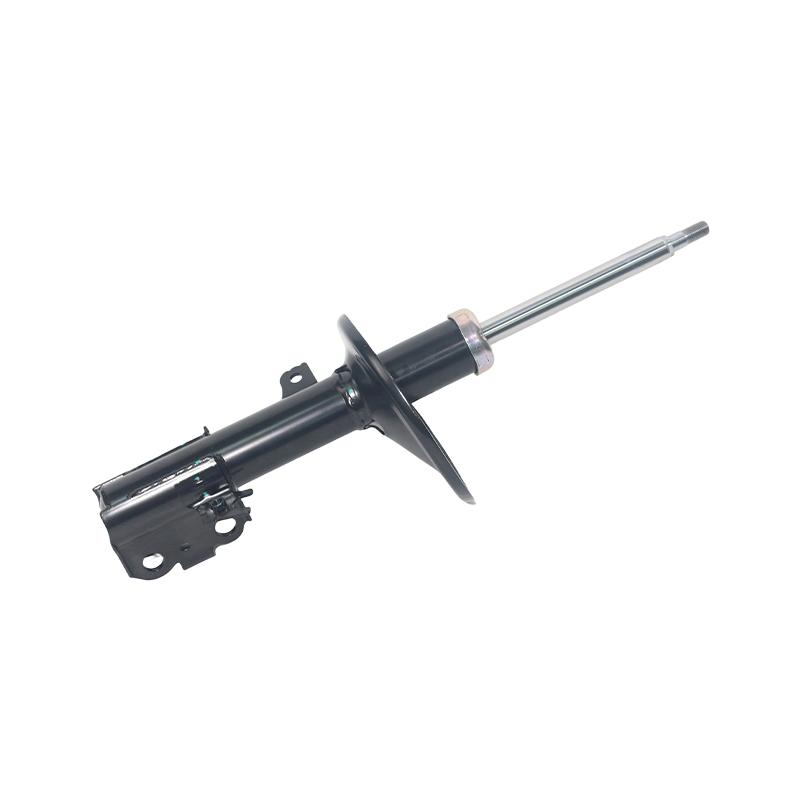
Automobile shock absorbers mark a shift in automotive chassis technology from "mechanical obedience" to "intelligent empathy." By integrating electric control, adjustable pneumatic regulation, hydraulic power, and customized logic, and with a flexible layout adaptable to diverse vehicle models—both front-small and rear-universal—modern damping systems are protecting every departure and arrival with unprecedented precision and temperature control. In the future, with further breakthroughs in AI algorithms and new materials, adaptive damping will not only guarantee performance but also become an indispensable "invisible partner" for intelligent mobility.