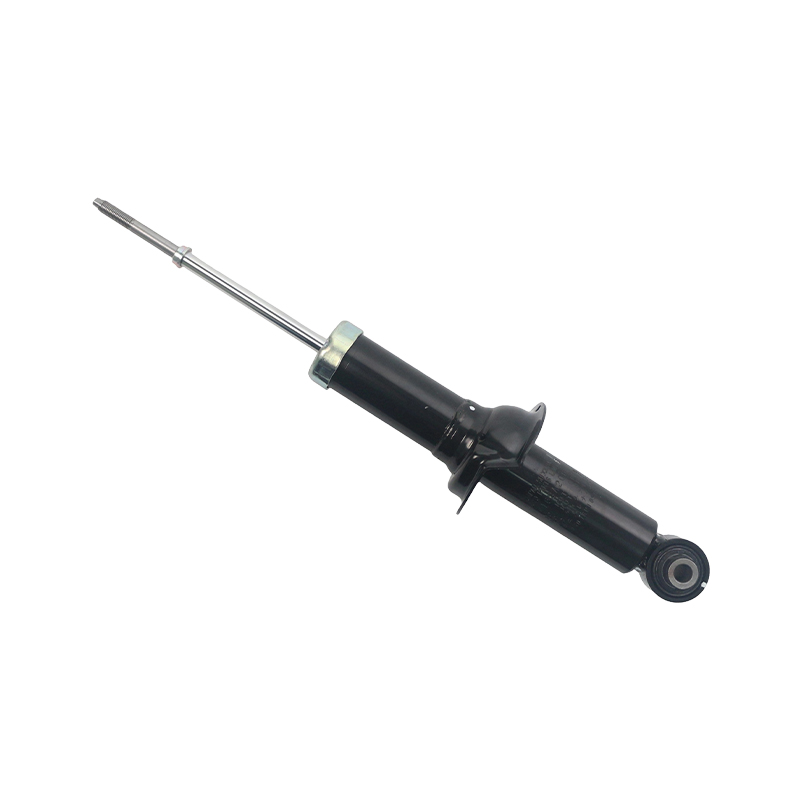
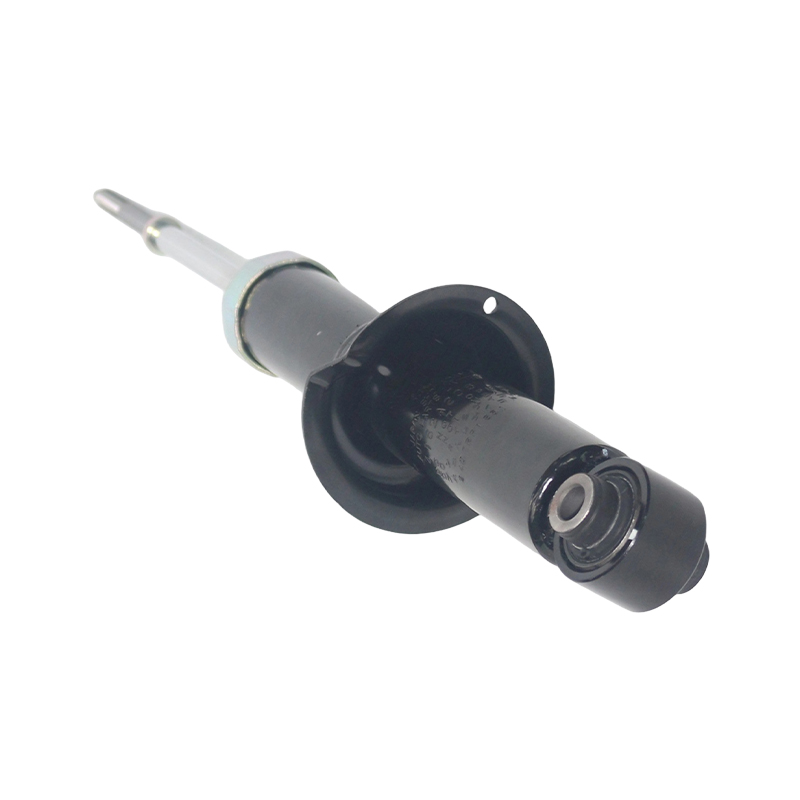
In daily driving, frequent vehicle swaying, pitching, and rolling are not only a "killer" of comfort but also a major cause of motion sickness. As a core component of the suspension system, high-performance automobile shock absorbers effectively suppress excess vibrations through precise hydraulic control and advanced material technology, significantly improving the riding experience and making long journeys smoother and safer.
1. Precise Damping Control, Suppressing the Source of Vehicle Sway
Motion sickness often stems from a mismatch between visual and vestibular perception—when a vehicle frequently bounces up and down on undulating roads or rolls violently during turns, the human body experiences intense discomfort. High-performance shock absorbers provide just the right amount of damping force through optimized internal valve design and oil flow path: quickly absorbing impact energy during bumps to prevent repeated spring rebound; enhancing support and reducing body roll during high-speed changes of direction. This precise constraint on movement posture fundamentally reduces the acceleration changes that induce motion sickness, with particularly significant effects on the elderly and children.
2. Diverse Technological Approaches to Meet Different Scenarios
Modern shock absorbers have developed various technological forms to adapt to different vehicle models and usage scenarios. Traditional hydraulic shock absorbers are reliable and cost-effective, widely used in passenger cars; adjustable pneumatic shock absorbers allow users to manually/automatically adjust the stiffness according to load or road conditions, balancing unloaded comfort and full-load stability; while high-end models increasingly employ electric active suspension, using sensors to monitor road conditions in real time and adjust damping in milliseconds to achieve a "magic carpet" effect. Whether it's a front-wheel-drive city commuter car or an SUV equipped with a rear universal multi-link system, a suitable shock absorption solution can be found.
3. Rigorous Surface Treatment to Ensure Long-Term Performance Stability
Shock absorbers are exposed to rain, mud, and high temperatures for extended periods. Corrosion accelerates the aging of seals, leading to oil leaks, damping loss, and ultimately affecting the shock absorption effect. Therefore, high-quality products generally employ a deep electrophoretic coating process to form a dense, anti-corrosion coating on the metal casing surface. This not only results in a smooth and aesthetically pleasing appearance but also effectively resists acid rain corrosion and oxidation. Combined with a high-strength piston rod and excellent oil seal design, even under high-frequency compression and rebound, it ensures durable sealing and smooth operation, preventing the reintroduction of body sway due to performance degradation.
4. Customized Tuning to Meet Real Driving Needs
Different users have different definitions of "comfort"—some prefer soft vibration damping, while others seek a clear road feel. Custom damping tuning has become a trend in the high-end market. Manufacturers can specifically optimize the damping curves of the front and rear shock absorbers based on the vehicle's center of gravity, sprung mass, tire characteristics, and even regional road conditions. For example, enhancing front-end response can reduce brake dive, while rear universal support can suppress rear-end drift during high-speed overtaking, comprehensively improving driving stability and indirectly reducing the probability of motion sickness.
The automobile shock absorber has long transcended the basic function of "buffering," becoming a precision component integrating materials science, fluid mechanics, and intelligent control. Through the synergistic effect of the suspension high-performance system, combined with diverse technological approaches such as hydraulic, adjustable pneumatic, and even electric technologies, and further enhanced by quality assurances such as deep electrophoresis treatment, high-strength piston rods, and excellent oil seals, modern shock absorbers not only effectively suppress vehicle sway but also silently protect the comfort and health of every passenger—ensuring that every journey is free from dizziness and embraces smoothness.