How to improve the sealing performance and reduce foreign object intrusion of automobile shock absorbers under harsh conditions such as muddy and gravel roads?
Publish Time: 2026-05-28
With the increasingly complex operating environment of automobiles, shock absorbers not only have to withstand frequent impact loads, but also face long-term erosion from harsh road conditions such as mud, gravel, water, and dust. During vehicle operation, a large amount of mud and sand particles will be splashed into the working area of the shock absorber by the tires. Once foreign objects intrude into the sealing system, it will not only accelerate piston rod wear, but may also lead to seal failure, lubricant leakage, and decreased shock absorption performance. Improving the sealing performance of automobile shock absorbers and reducing foreign object intrusion under harsh conditions such as muddy and gravel roads has become an important research direction for improving the reliability and service life of shock absorbers.1. Optimize multi-stage sealing structure to enhance protection capabilitiesThe sealing system of a shock absorber is the first barrier to prevent external contaminants from entering the internal cavity. Traditional single-layer sealing structures are prone to wear gaps under long-term high-frequency motion environments, allowing fine particles to enter the interior. To improve protection capabilities, a multi-stage combined sealing design can be adopted, adding a dustproof ring, a mud scraper ring, and an auxiliary sealing layer in addition to the main seal. When the piston rod reciprocates, the outer scraper structure first removes adhering mud, sand, and water, the middle dustproof layer further prevents fine particles from entering, and the internal main seal maintains the oil seal. Through multiple protective mechanisms, the probability of foreign object intrusion is significantly reduced, improving the overall sealing reliability of the shock absorber.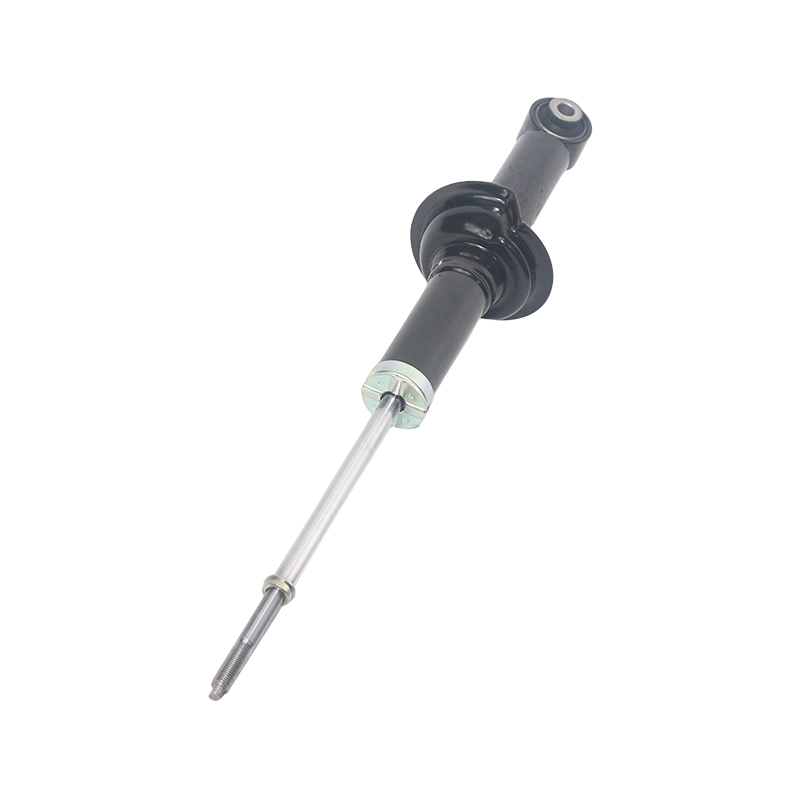
2. Enhanced Dust Cover Structure Reduces Direct Contact with Mud and SandThe dust cover is a crucial external protective component of the shock absorber, its function being to isolate splashed mud, water, and gravel impacts. For complex road conditions, high-strength elastic materials can be used to manufacture the dust cover, improving wear resistance and tear resistance. Simultaneously, the optimized corrugated structure design ensures the dust cover maintains a stable shape during shock absorber compression and extension, preventing cracks caused by folding deformation. Furthermore, it increases the sealing effect between the dust cover and the mounting base, reducing the possibility of mud and sand entering from the connection point. By strengthening the external protective structure, the service life of the internal sealing system can be effectively extended.3. Improved Piston Rod Surface Wear Resistance Reduces Wear RiskThe piston rod is the most frequently moving component in the shock absorber sealing system, and its surface condition directly affects the sealing effect. When sand and gravel particles adhere to the piston rod surface, the reciprocating motion easily creates scratches, thus accelerating seal wear. Therefore, high-hardness coating technology or special surface treatment processes can be used to improve the piston rod's wear resistance and corrosion resistance. Simultaneously, controlling surface roughness to maintain a high degree of smoothness reduces mud and sand adhesion and abrasive wear. Excellent surface quality not only reduces seal wear but also improves overall sealing stability.4. Optimize Drainage and Flow Design to Reduce Foreign Object AccumulationIn muddy road environments, large amounts of mud and water easily accumulate around the shock absorber, increasing the risk of foreign object intrusion. By optimizing the external structure design of the shock absorber, drainage channels, drain holes, and self-cleaning channels can be added, allowing mud and water to be discharged promptly, preventing long-term accumulation. Simultaneously, the airflow generated during vehicle movement guides contaminants away from the sealing area. A reasonable drainage and flow design effectively reduces contaminant concentration, creating a better working environment for the sealing system.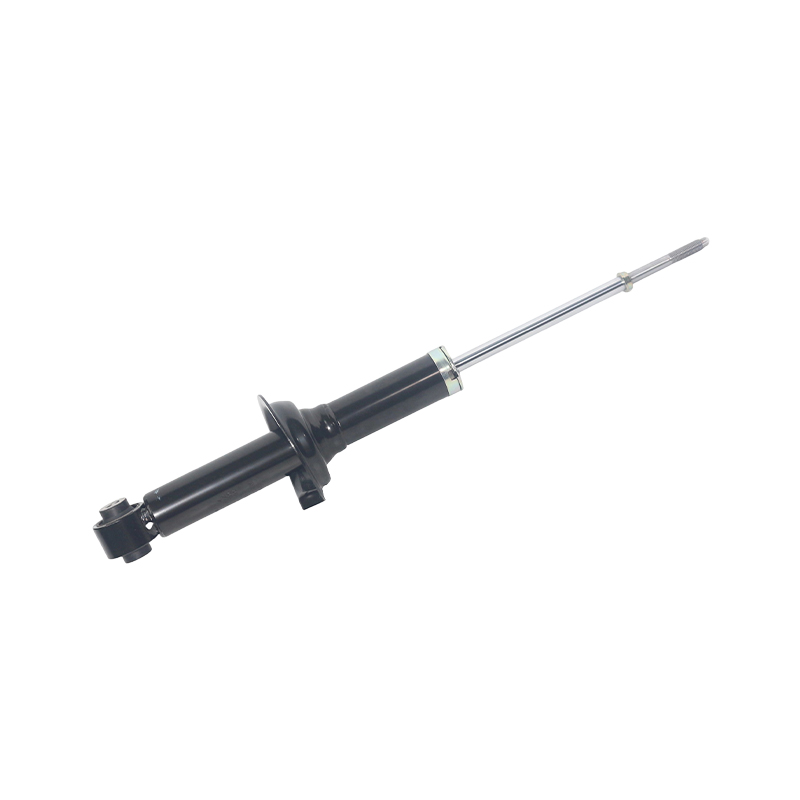
5. Enhance Material Environmental Resistance to Improve Long-Term ReliabilityHarsh road environments not only involve sand and gravel impacts but also rainwater, mud, and temperature changes. If sealing materials lack sufficient aging resistance, they are prone to hardening, cracking, or loss of elasticity. Therefore, rubber materials with superior wear resistance, corrosion resistance, and high/low temperature resistance can be selected to improve the stability of the seals in complex environments. Simultaneously, combining low-friction material technology reduces frictional loss between the seal and the piston rod, ensuring a long-term, effective seal. Improved material performance further enhances the environmental adaptability of shock absorbers.The reliable operation of automobile shock absorbers in harsh conditions such as muddy and gravel roads relies heavily on high-performance sealing systems. Optimizing multi-stage sealing structures, enhancing dust cover protection, improving piston rod wear resistance, refining drainage design, and strengthening the environmental resistance of sealing materials effectively reduce foreign object intrusion and internal wear. With continuous advancements in automotive chassis technology and materials processes, shock absorbers will possess stronger environmental adaptability and longer service life, providing more reliable guarantees for vehicle stability and ride comfort.