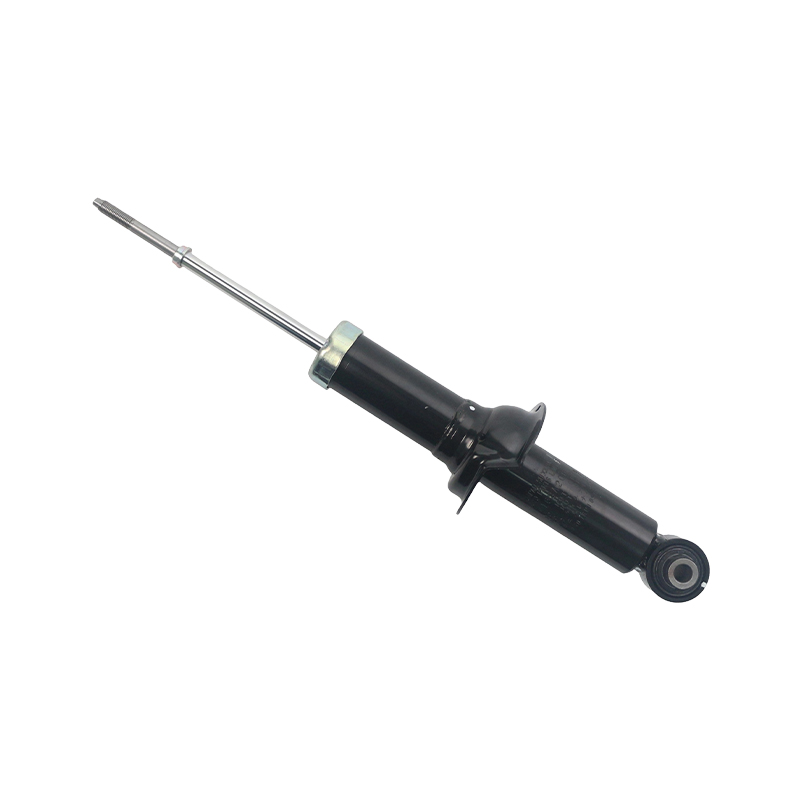
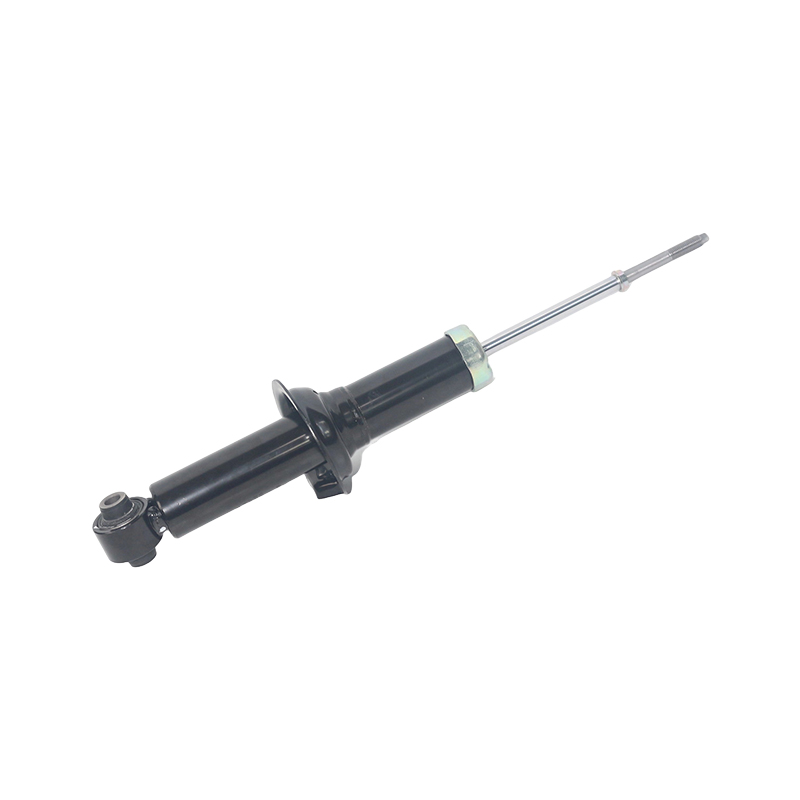
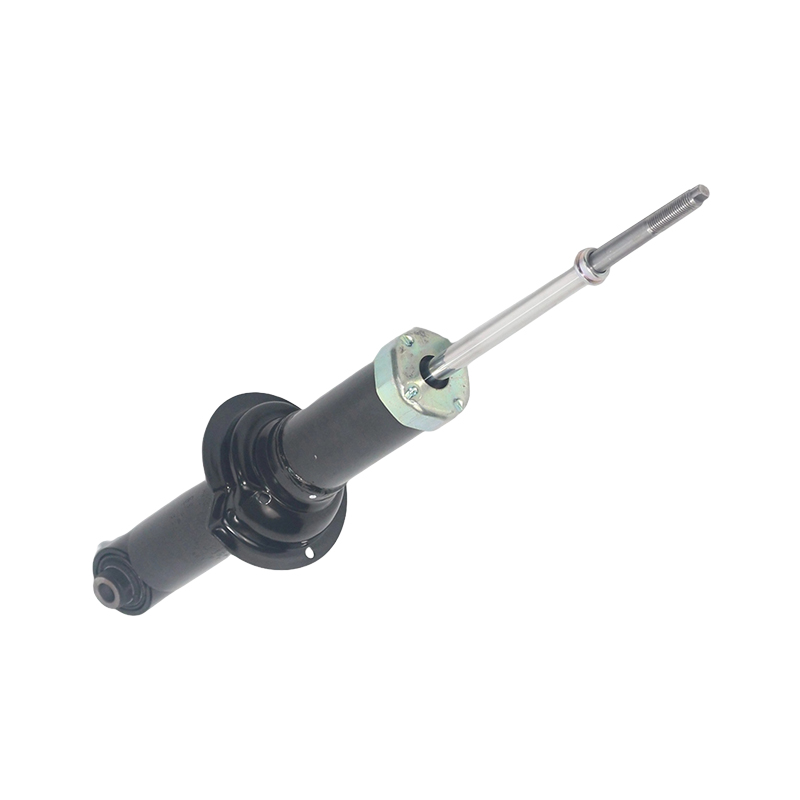
In modern automotive engineering, ride comfort is not only a core indicator of comfort but also the foundation of safety and handling stability. Within this system, the automobile shock absorber, as a key component of the suspension system, plays a dual role as a "dynamic damper" and an "energy converter." By precisely controlling the kinetic energy during spring rebound and compression, it converts road impacts into controllable hydraulic or pneumatic energy, thereby significantly suppressing body sway, tire bounce, and ride discomfort. Especially today, with the increasing demands for high performance and customization, the technological evolution of shock absorbers is constantly redefining the boundaries of "smoothness."
I. Hydraulic Damping: The Physical Foundation of Ride Comfort
Traditional and mainstream shock absorbers mostly operate on a hydraulic principle: when the wheel moves up and down, the piston reciprocates within a cylinder filled with specialized damping oil, forcing the oil through tiny channels or valves to generate damping force. This design effectively absorbs high-frequency, small-amplitude vibrations, preventing continuous body bounce. High-quality hydraulic shock absorbers possess linear damping characteristics, providing a soft and comfortable ride during low-speed compression and rapidly stiffening upon high-speed impact to protect the structure, achieving an ideal balance of "soft yet stable, resilient yet not stiff."
II. Differentiated Front and Rear Design: Precisely Matching Axle Loads and Functions
Due to differences in load, steering function, and drive type between the front and rear axles of a vehicle, shock absorbers often employ differentiated configurations:
Front small: Front shock absorbers typically have shorter travel but faster response to improve steering precision and anti-nose-dive capability;
Rear universal: Rear shock absorbers prioritize load bearing and vibration damping, with longer travel to adapt to varying loads and ensure rear passenger comfort.
This "precise front, stable rear" layout is key to achieving synergistic optimization of overall vehicle smoothness.
III. Adjustable and Intelligent Technology: A Leap from Passive to Active
To meet diverse driving scenarios, modern shock absorbers have broken through the limitations of fixed damping:
Adjustable pneumatic systems change stiffness by adjusting chamber pressure, accommodating both unloaded and fully loaded conditions;
Electric fronts integrate solenoid valves or motors, with the ECU adjusting damping force in real time—stiffening to suppress body roll during cornering and softening to filter bumps during cruising;
High-end models even feature semi-active or full-active suspensions, combining millisecond-level response from sensor data to achieve "road condition predictive" smooth control.
IV. High Performance and Customization: A Personalized Expression of Smoothness
In the aftermarket and high-end markets, high-performance and custom shock absorbers have become hallmarks of the pursuit of the ultimate driving experience. Users can select different damping curves, spring rates, and mounting angles based on driving habits, vehicle height, tire specifications, etc. For example, a track-oriented setting is stiffer to enhance handling limits, while a softer setting is preferred for city commuting. This highly personalized tuning makes "smoothness" no longer a uniform standard, but a dynamic art tailored to individual needs.
V. System Synergy: How Shock Absorbers Enhance Vehicle Quality
Excellent shock absorbers not only improve comfort but also enhance braking efficiency and grip on slippery roads by stabilizing tire contact with the road surface; simultaneously, they reduce suspension component fatigue and extend the lifespan of the suspension system. For new energy vehicles, the requirements for vibration protection of the battery pack are even higher, and high-performance shock absorbers can effectively isolate high-frequency micro-vibrations, ensuring the safety of the battery cells.
From basic hydraulic structures to intelligent electric front control, from standardized rear universal design to highly customized performance matching, the automobile shock absorber has long surpassed its original function of "simple buffering." With precise engineering logic, it dissipates ever-changing road disturbances in milliseconds, ensuring a smooth ride every time. On the road to pursuing a high-quality driving experience, an excellent shock absorber is the invisible yet ubiquitous "guardian of smoothness."